Training
Search and rescue is a trained skill. We'll teach you what you need — in the classroom and in the field.
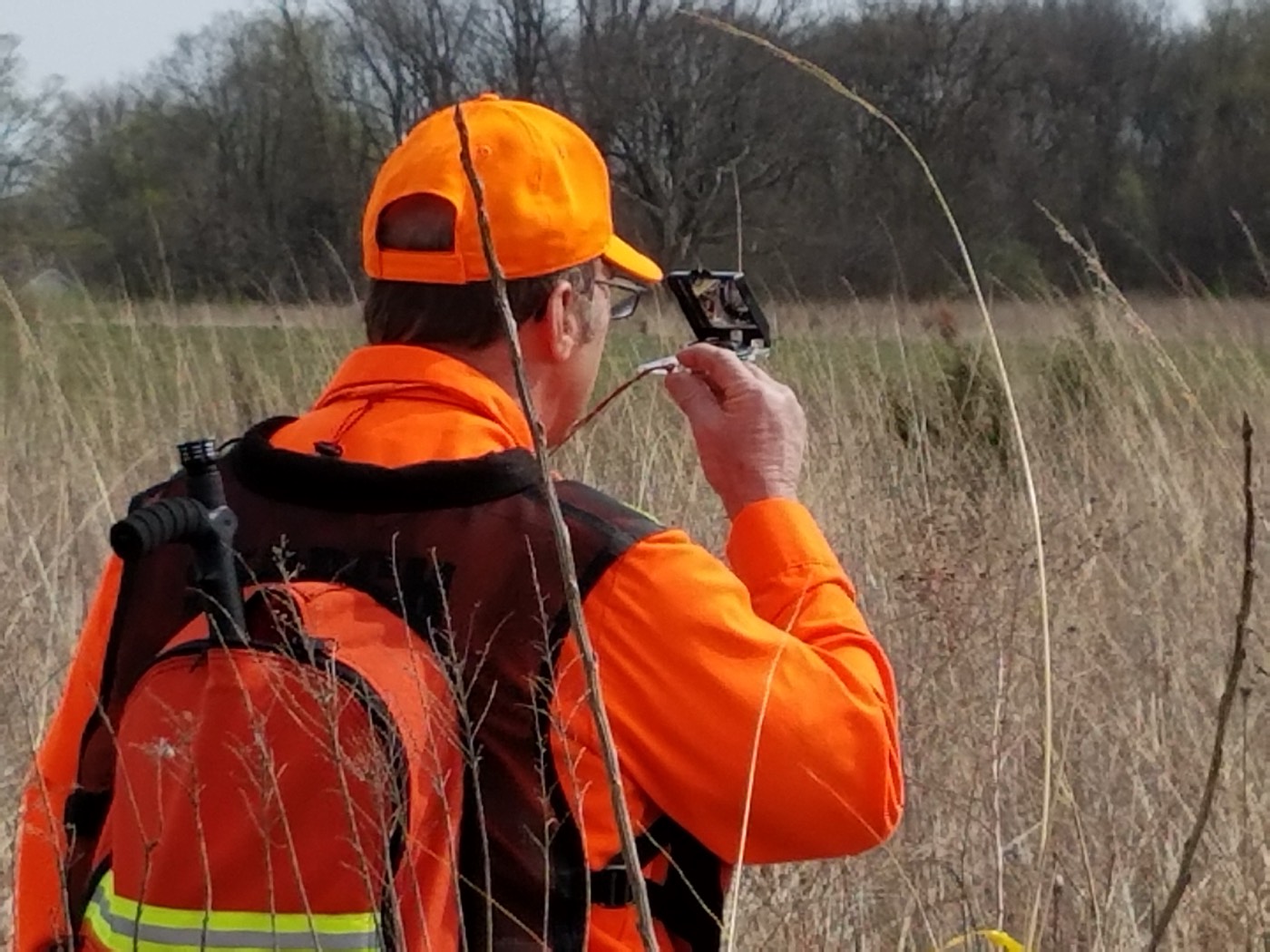
While no prior experience is necessary to volunteer, Search and Rescue is a trained skill, and CCSAR offers its members training opportunities both in the classroom and the field to develop and maintain those skills. Search and Rescue Ground Operations Training, Lost Person Behavior, Search and Rescue Management, First Aid/CPR, and Using a Compass are among the training topics we offer.
Training requirements
Successfully complete one of the following initially, and then at least once every two years thereafter:
| Course | Provider | Details |
|---|---|---|
| Search and Rescue Ground Operations Training (SARGOT) | CCSAR | Offered twice a year (usually April and October). An 8-hour course. |
| Ground Search and Rescue (GSAR) | ISARC | 16-hour course offered around the state, including central Illinois, usually over a Saturday and Sunday. ISARC's Basic Land Navigation (BNAV) is a pre-requisite. |
| Wilderness Search and Rescue (WSAR) Awareness | Illinois Fire Service Institute | See fsi.illinois.edu for more information. |
FEMA Incident Command System (ICS)
Obtain certifications for the following FEMA ICS modules — free, online courses offered through the FEMA Emergency Management Institute:
- IS-100.c — An Introduction to the Incident Command System
- IS-700.b — An Introduction to the National Incident Management System
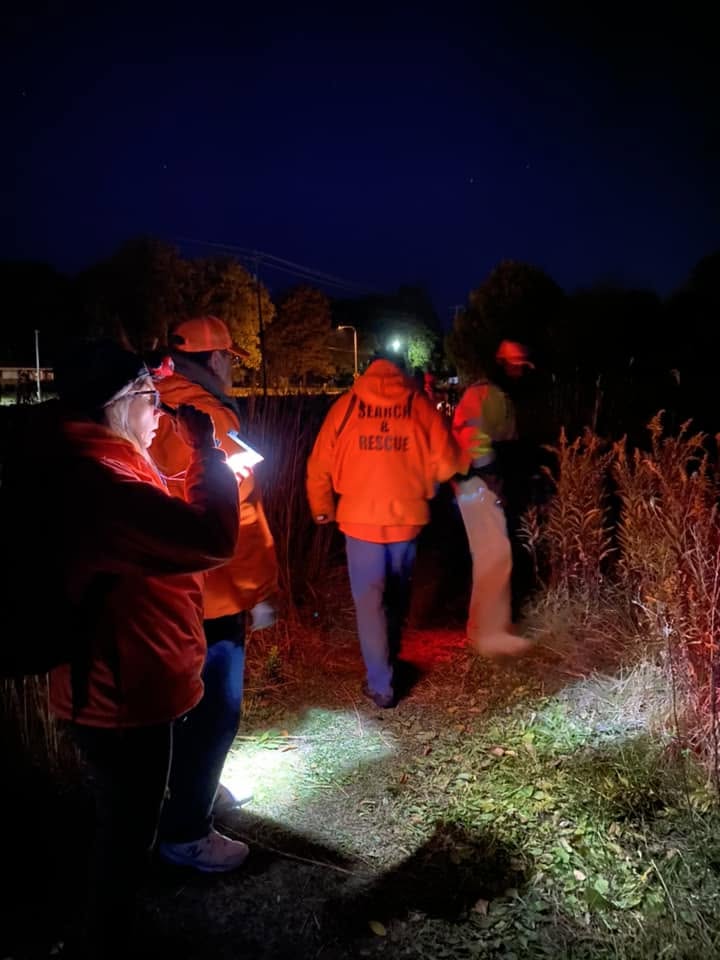
Training after dark
While night searches are rare, CCSAR trains just in case. Searching at night is much different than searching during daylight.
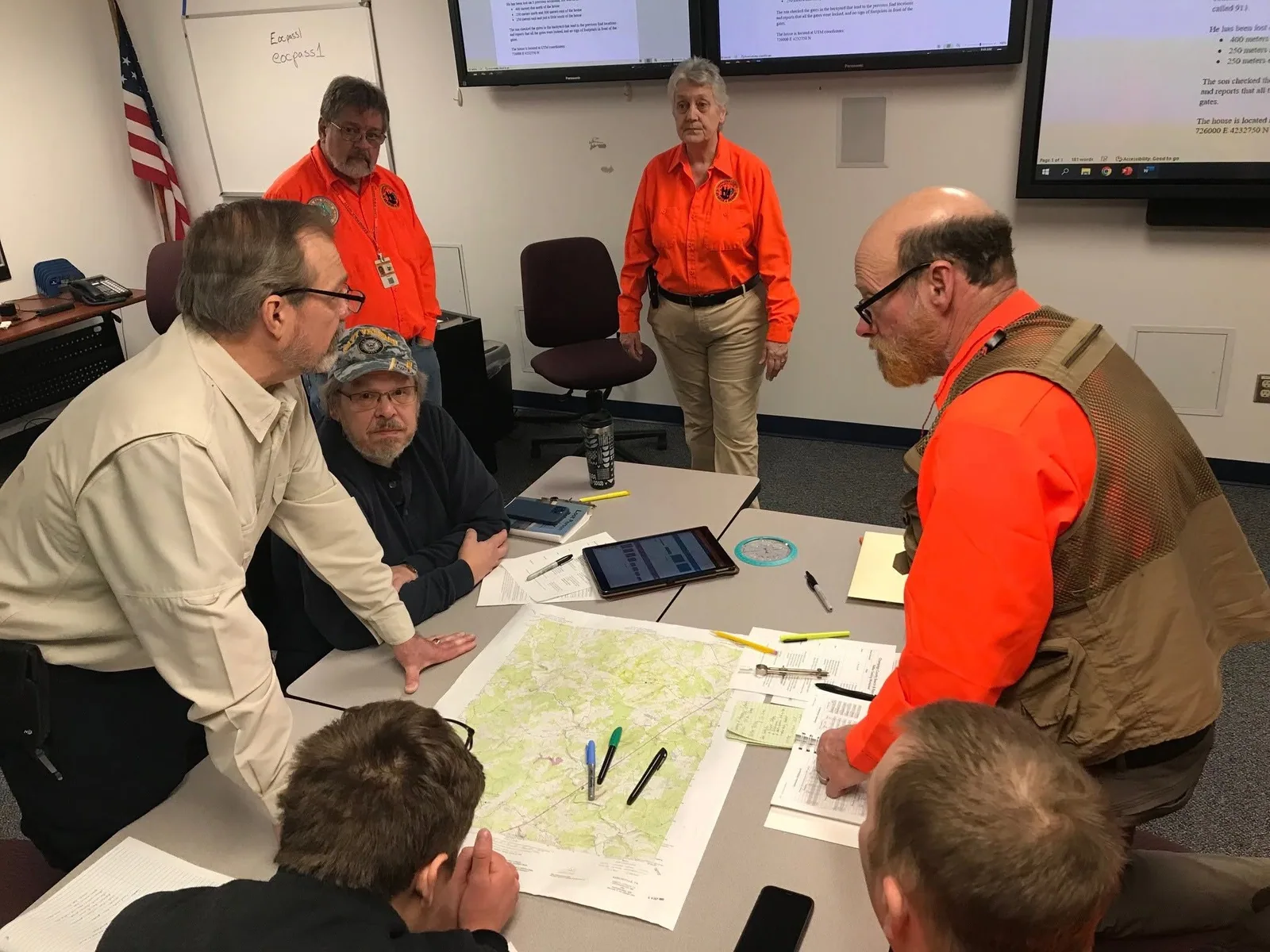
From the classroom to the field
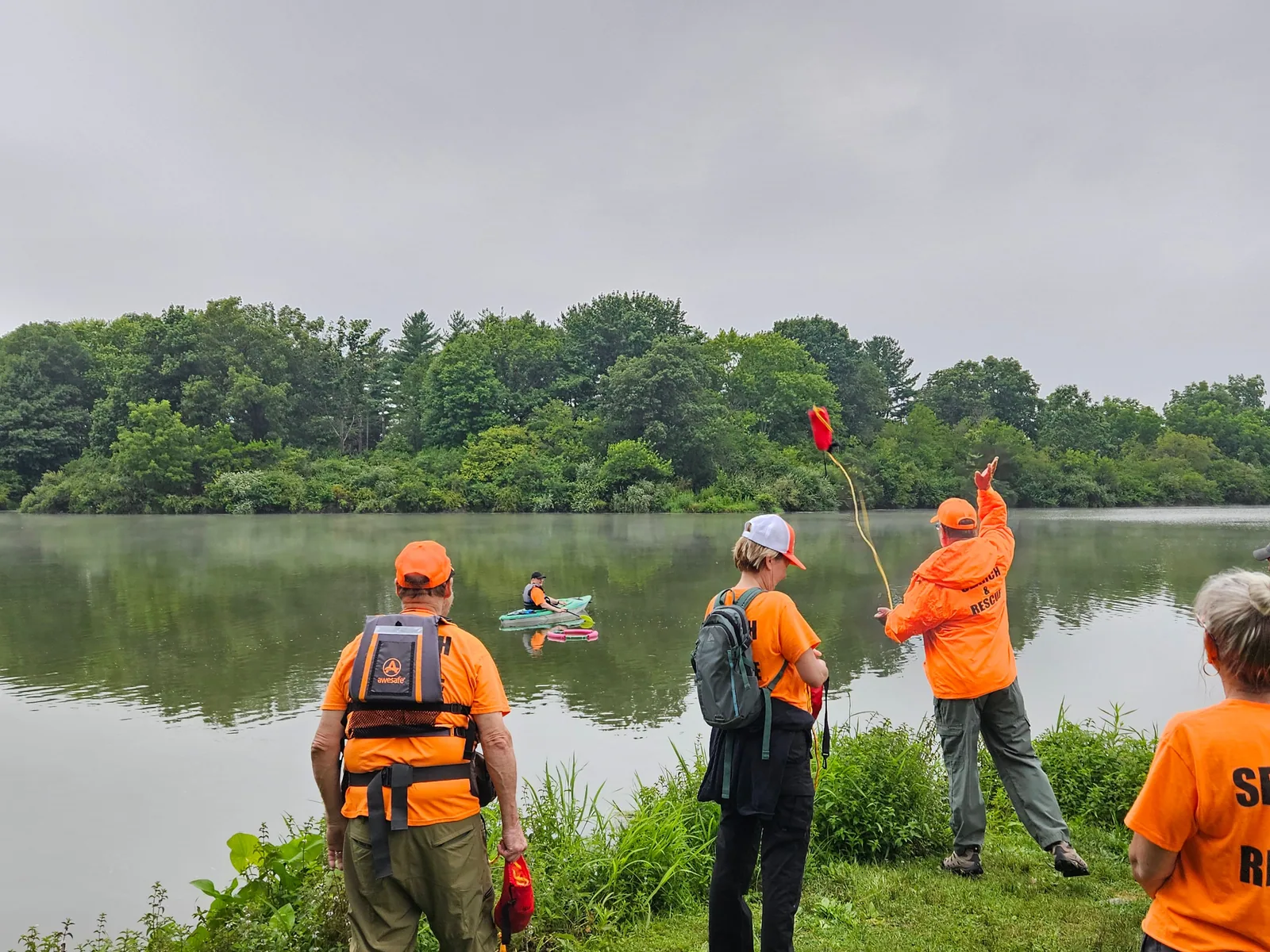
Take a look inside our search management classes and hands-on rescue practice.
See when the next training runs
SARGOT typically runs in April and October. Check the calendar for the next classroom session, field exercise, or team meeting.
Open the calendar